How to Communicate With Your Architect: A Practical Guide
A drawing is not a house, and most investor-architect conflicts grow out of that gap. A few communication habits that will save you nerves, time and real money.

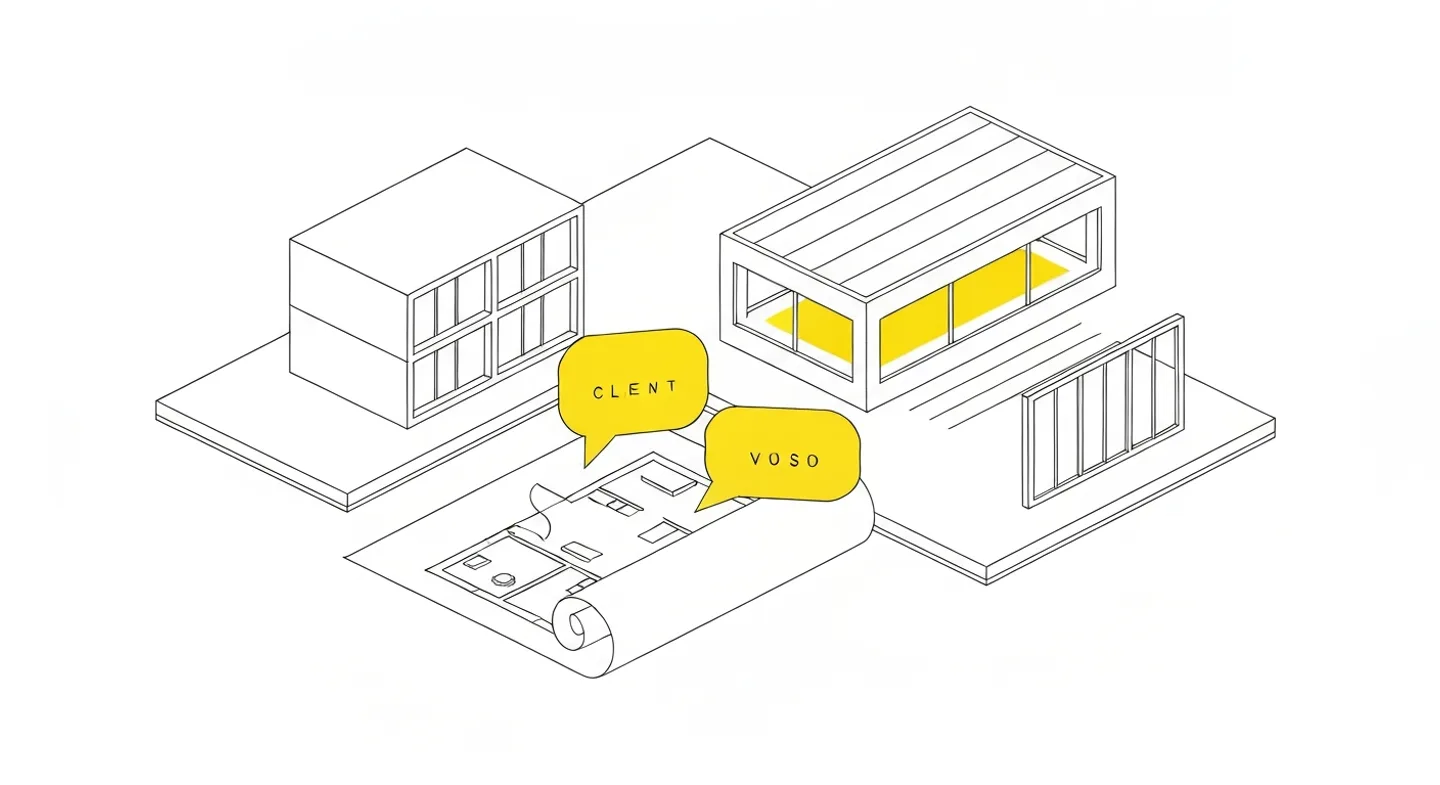
Construction is one of the few industries where the client pays for something they cannot see yet. A drawing is not a house. Most conflicts between investors and architects grow out of that gap: both sides look at the same floor plan and see different things.
Over years of working with design offices I have collected a handful of habits that measurably reduce misunderstandings. Here they are.
In short
- Start with how you live, not with a list of rooms; the architect designs a better house from your needs than from a room count.
- Answer your architect’s questions within 48 hours; if you need more time, say by when.
- Confirm every significant decision with a short email; changing an approved stage usually means an extra invoice.
- Give your real budget and agree on a status update every two or three weeks.
Talk about needs, not solutions
A common scenario: the investor arrives at the first meeting with a finished list. Four bedrooms upstairs, a double garage, a 40-square-metre living room. Nothing wrong with a list, but start one level deeper, with how you live:
- Do you work from home and need quiet?
- Do the in-laws stay over a few times a month?
- Do you cook together, or is the kitchen one person’s territory?
An architect designs a better house when they understand your life, not just your room count. The solutions they propose may surprise you, and they are often better than what you would have specified yourself. After all, they are doing this for the hundredth time and you are doing it for the first.
Decide quickly, but not rashly
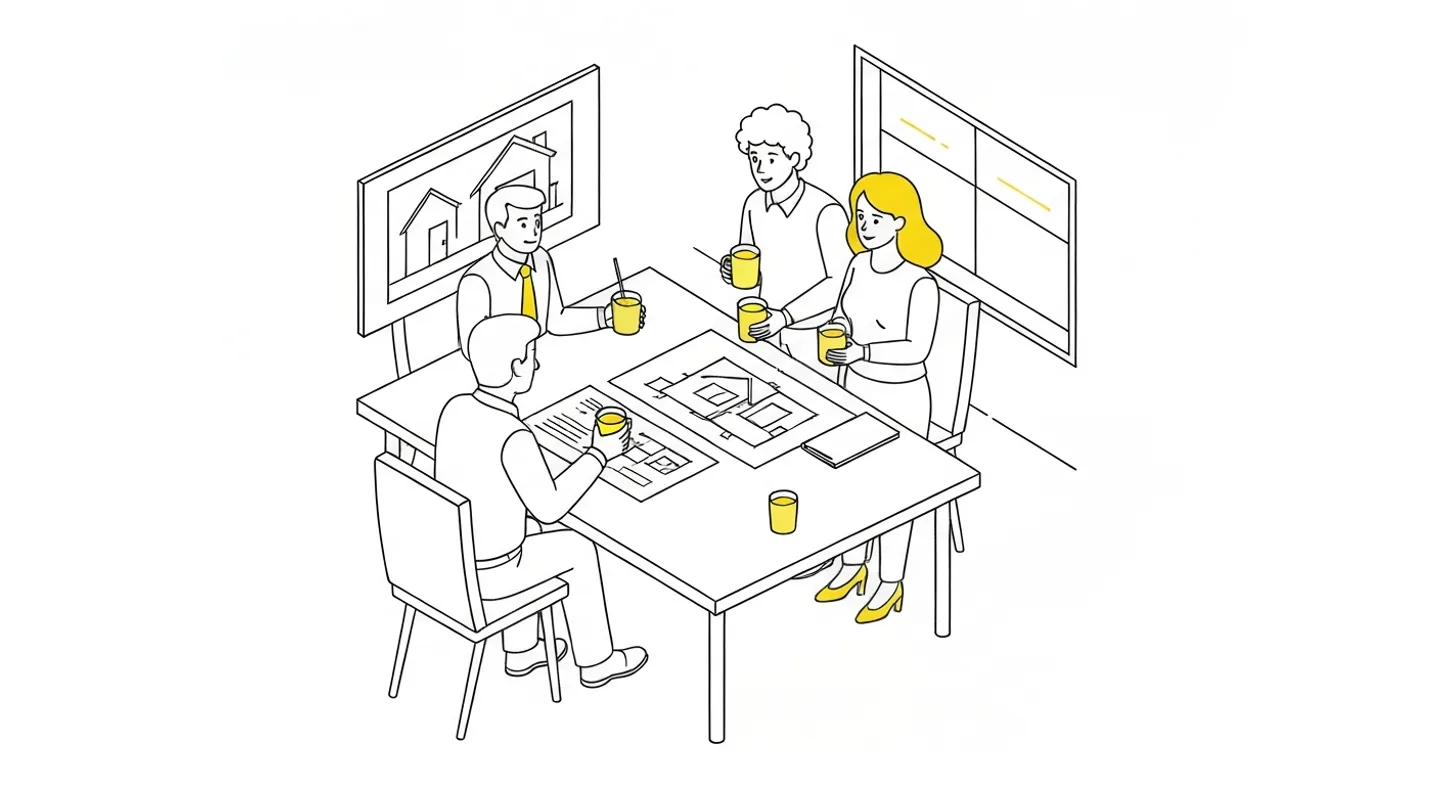
The project runs on your decisions. Every week the architect waits for an answer is a week of delay for the whole thing, and those weeks add up to months faster than you would expect. On the other hand, a rushed decision about the kitchen layout that you reverse three weeks later also costs money, because plumbing, ventilation and sometimes structure follow the kitchen.
A rule that works well in practice: answer your architect’s questions within 48 hours. Not ready to decide? Then say exactly that. “I need a week, I’ll come back to you on Friday” lets the architect plan around your deadline.
The worst possible answer is silence. It stalls the project and sours the relationship at the same time.
Ask why, not just what
When the architect proposes something that puzzles you, ask for the reasoning. “Why does the living room face west?” might have an excellent answer: evening sun, the garden view, screening from the road. It might also have none. Good questions catch the second kind and improve the design before it gets approved.
The same goes for changes imposed from outside. If the permit office demands corrections to the design, you are entitled to hear, in plain language, what that means for the look of the house and for construction costs. An architect who can explain this without jargon is a keeper. One who brushes you off with “those are the regulations” deserves a follow-up question.
Track progress without micromanaging
You have every right to know where a project worth hundreds of thousands stands. A short status summary every two or three weeks, by email or phone, is a healthy norm rather than an imposition. Agree on that rhythm at the start of the collaboration, before anything has a chance to slip.
It cuts both ways, though. Daily calls asking about progress do not speed up the work. They consume the hours in which the work would otherwise happen, and your architect is running several projects in parallel, which is normal.
Status without the phone calls
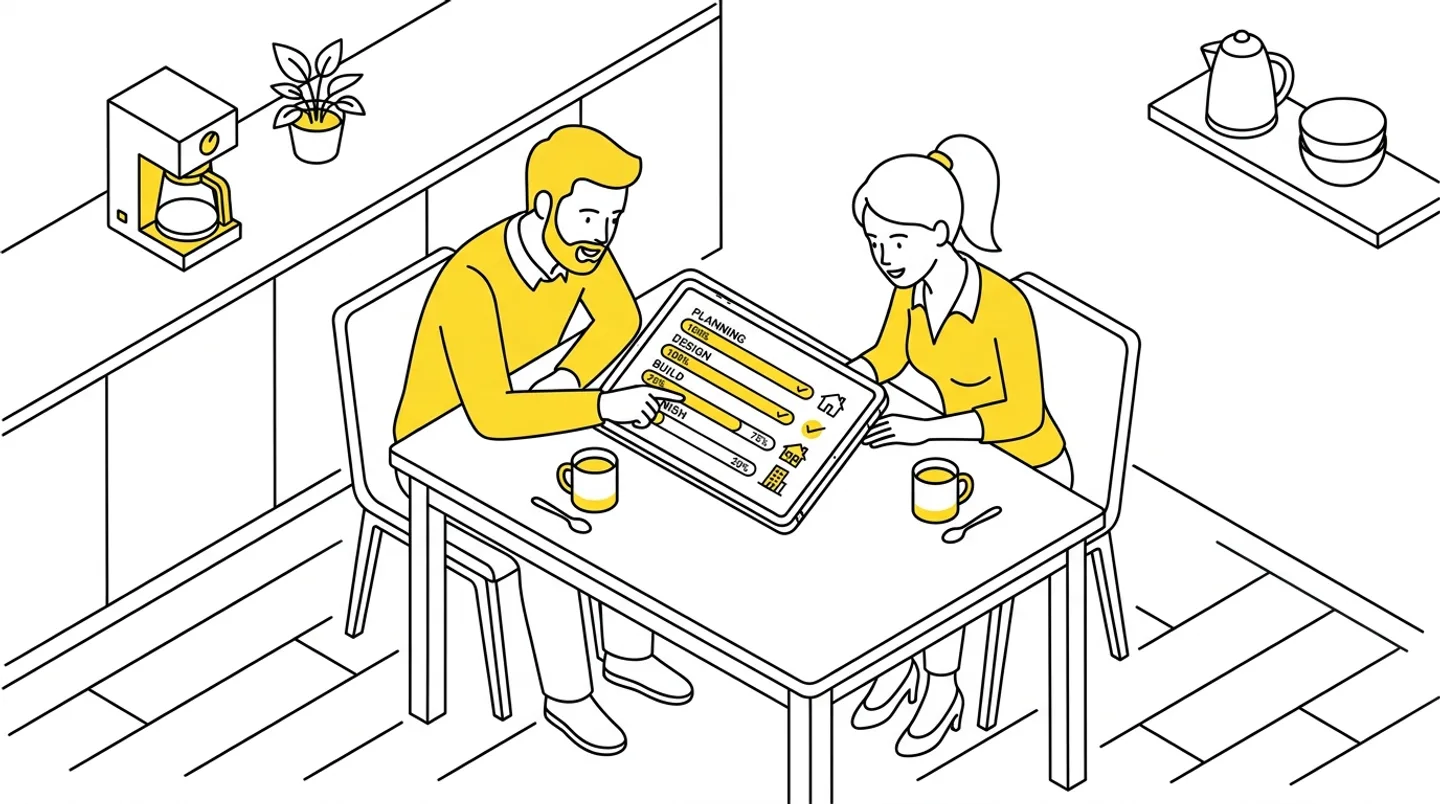
More and more offices resolve this tension with tools like ArchiFlow, which show the investor the current project status without anyone having to ask: stages, documents, recent activity. If your office uses something like this, use it. If they do not, it is worth asking. The question itself signals that transparency matters to you.
Put decisions in writing
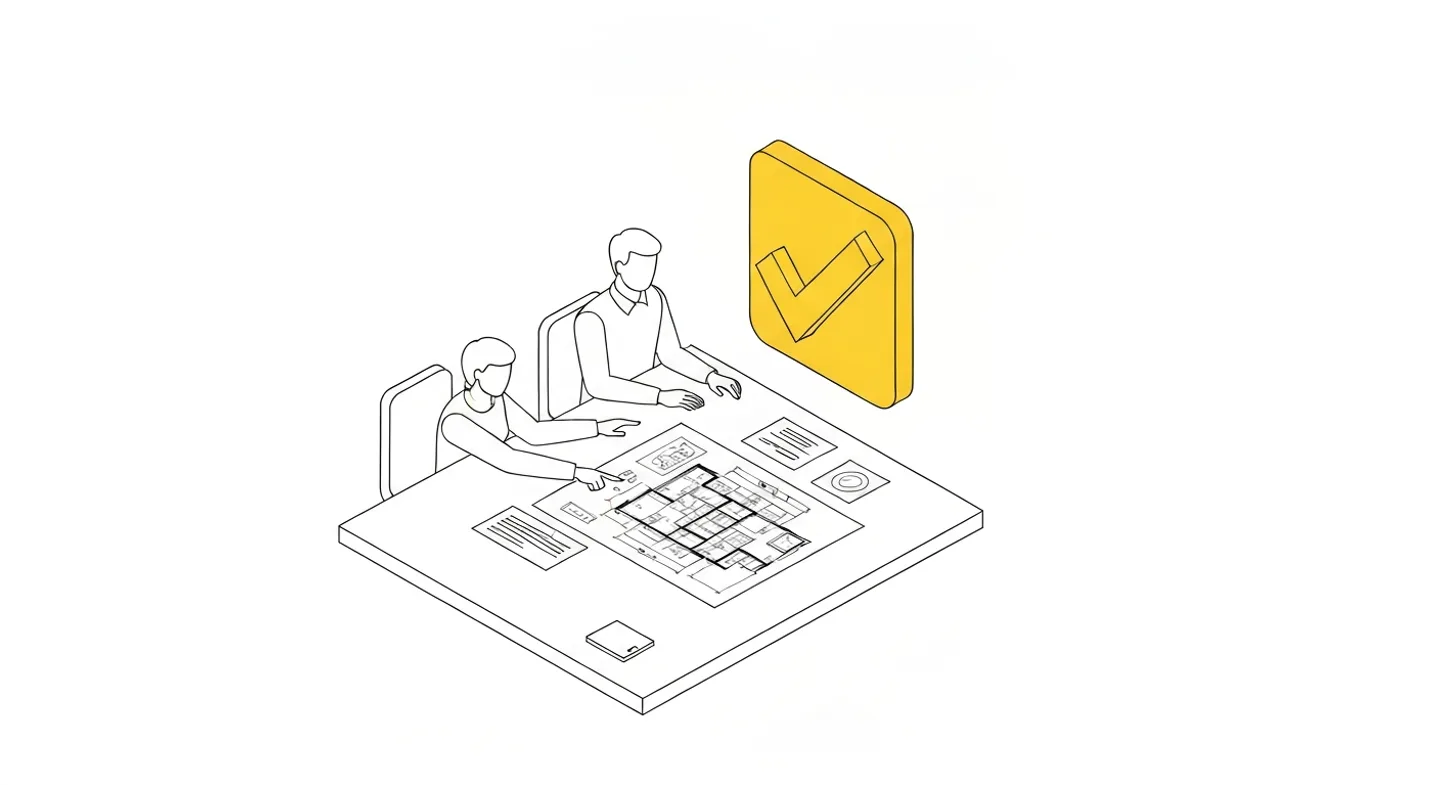
Verbal agreements die fast. After any meeting where a significant decision was made, send a short email: “We agreed the living room ceiling will be at 3.2 m and the kitchen stays open.” The architect confirms or corrects.
Two minutes of typing, and it protects both sides, because six months from now nobody will remember who said what over coffee.
This applies above all to decisions that cost money. Changing an approved stage usually means an extra invoice, and the moment of approval should exist somewhere in writing rather than as “I think we agreed at that meeting”.
Give a real budget
Your architect will design a house within your budget, but only if they know it. I keep running into budgets lowered “so the architect doesn’t go wild with expensive ideas”, and it backfires every time: you get a design tailored to a number that does not exist, and when it turns out you can afford more, the design is already approved and decisions have to be unwound.
Inflating the number misfires the same way, just in the other direction. A good architect does not judge your wallet. A house for 600 thousand and a house for a million are simply two different projects, and you both know it. Honesty at the start saves everyone months.
Trust, but ask
Your architect is the expert and is right the vast majority of the time. Not always, though. Nobody is.
If something worries you, ask. If the answer does not settle it, request an explanation in writing or consult an independent specialist, such as an investor’s site inspector.
This is not a vote of no confidence. At an investment of this scale, a second pair of eyes on key decisions is plain common sense, and no good architect takes offence at a substantive question.
Of all these habits, one delivers the most: answer within 48 hours and confirm decisions by email. That alone prevents most of the disputes I see between investors and design offices.
ArchiFlow gives investors real-time visibility into project progress — through one link from the office, with a login if they want one. Ask your architectural office if they use ArchiFlow.
Learn more →